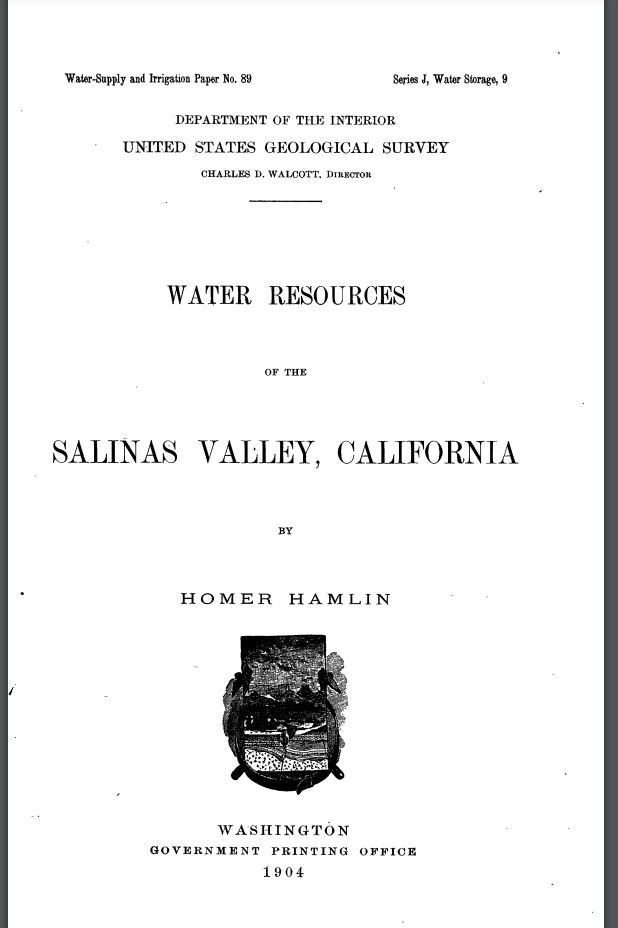
The U.S. Geological Survey releases Paper 89 outlining water challenges from hydrological drainage to water recharge imbalances in the Salinas Valley with major infrastructure projects proposed to address them

The California Department of Water Resources publishes Bulletin 52 which outlines the interconnections between subareas and records seawater intrusion in the Salinas Basin

Growers work together to pay for the construction of the Reservoir at Lake Nacimiento, one of the only privately funded dams in the state of California
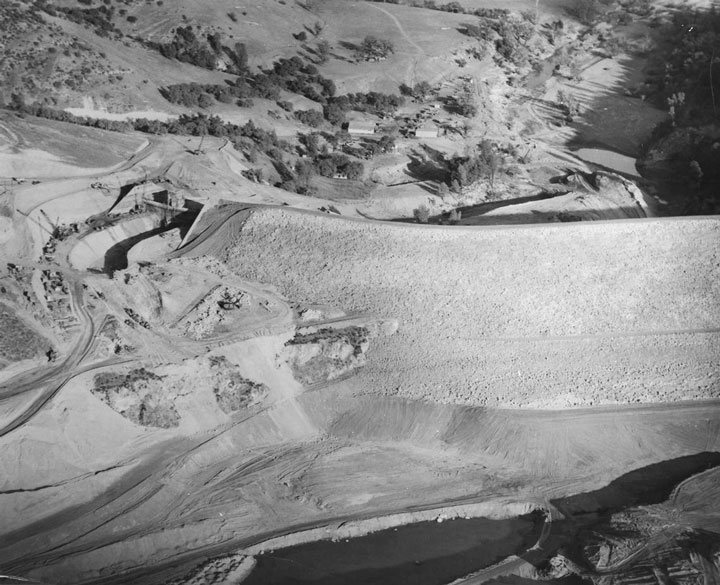
Growers work together to pay for the additional construction of the Reservoir at Lake San Antonio
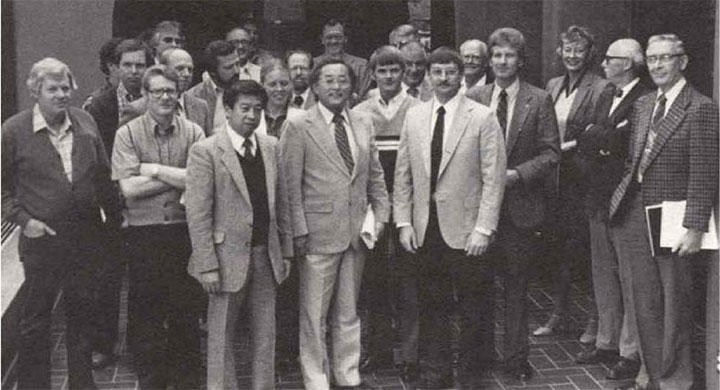
Growers undertake an 11-year Wastewater Reclamation for Agriculture study that looks at the long-term impacts of using recycled wastewater in irrigation systems. The study clears the way for the application of recycled water on crops.
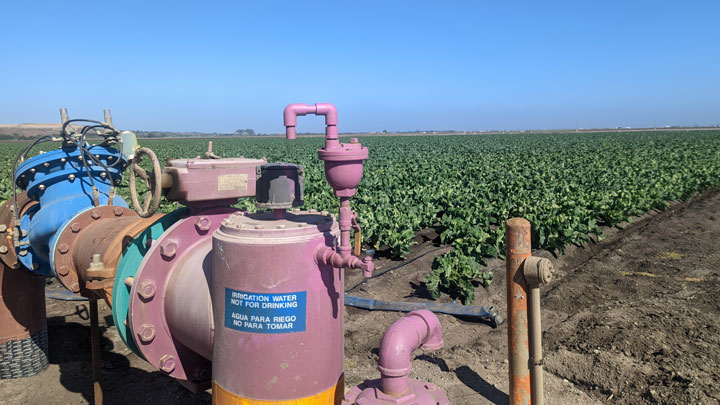
The Castroville Seawater Intrusion Project (CSIP) begins delivering recycled water to growers

Salinas Valley Water Project starts, storing seasonal water in a rubber dam on the Salinas River to distribute water through CSIP and reduce pumping during dry months
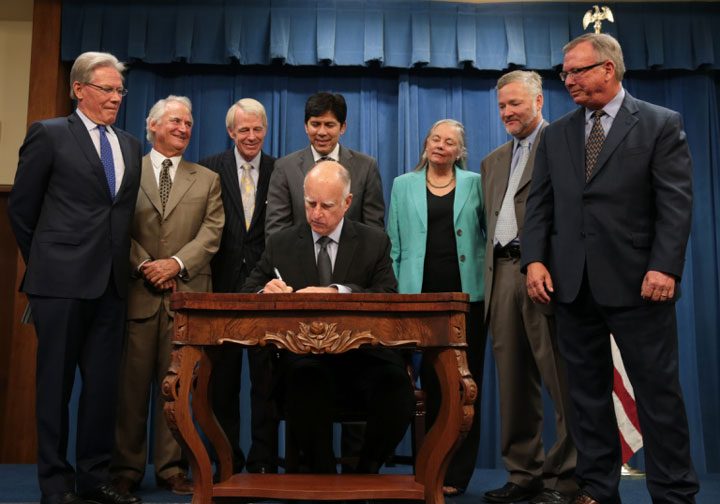
Sustainable Groundwater Management Act signed into law, mandating stakeholder groundwater management plans across the state of California
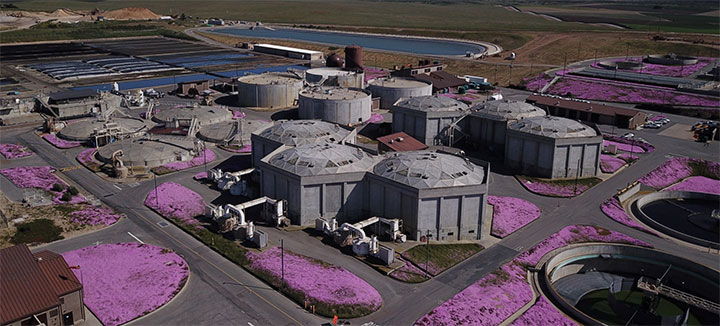
Pure Water Monterey, an advanced water recycling plant, comes online, purifying municipal wastewater, agricultural wash water, and stormwater runoff and delivering recycled potable water back to municipalities and growers.